The Role of Food in Celebrations Around the World
Food plays a powerful role in human celebration. Across continents and cultures, people gather around shared meals to mark important milestones, express gratitude, strengthen relationships, and preserve tradition. Whether it is a religious festival, national holiday, seasonal transition, or family milestone, food serves as both a symbol and a storyteller.
Celebratory dishes often carry deep meaning. Recipes are passed from one generation to another, ingredients reflect geography and climate, and preparation methods preserve centuries of cultural identity. Through festive meals, communities connect the past with the present while shaping how traditions continue into the future.
This article explores how food shapes celebrations around the world and why shared meals remain central to cultural expression.
Why Food Is Central to Celebrations Worldwide
Food brings people together in a way few other traditions can. It appeals to memory, identity, and emotion all at once. During celebrations, meals become more than nourishment. They become experiences.
Several reasons explain why food holds such importance in global celebrations:
- Symbolism: Many ingredients represent prosperity, renewal, or gratitude.
- Community bonding: Shared meals strengthen relationships.
- Cultural preservation: Traditional recipes protect heritage.
- Spiritual meaning: Certain foods hold religious significance.
- Seasonal awareness: Celebrations often align with harvest cycles.
Across cultures, festive meals transform ordinary days into meaningful occasions.
Food as a Symbol of Cultural Identity
Celebratory dishes often reflect a community’s history and values. Ingredients reveal migration patterns, agricultural practices, and regional climates. Cooking techniques demonstrate inherited knowledge shaped by generations.
For example:
- Rice dominates celebrations in many Asian cultures because it represents life and abundance.
- Bread plays a central role in European and Middle Eastern festivities due to its historic importance as a staple food.
- Corn appears frequently in Latin American celebrations because of its ancient agricultural significance.
These foods are not random choices. They represent identity and continuity.
Even when communities relocate across continents, they preserve celebratory recipes to maintain connection with their heritage.
Religious Celebrations and Sacred Meals
Many celebrations around the world are rooted in religious traditions. In these cases, food often carries symbolic spiritual meaning.
Christmas in North America and Europe
Christmas meals vary by region but commonly include roasted meats, baked goods, and desserts shared among family members. Popular dishes such as roasted turkey, ham, gingerbread cookies, and fruitcake symbolize warmth, generosity, and togetherness.
In many households, preparing these foods becomes a family ritual that strengthens bonds across generations.
Diwali in India
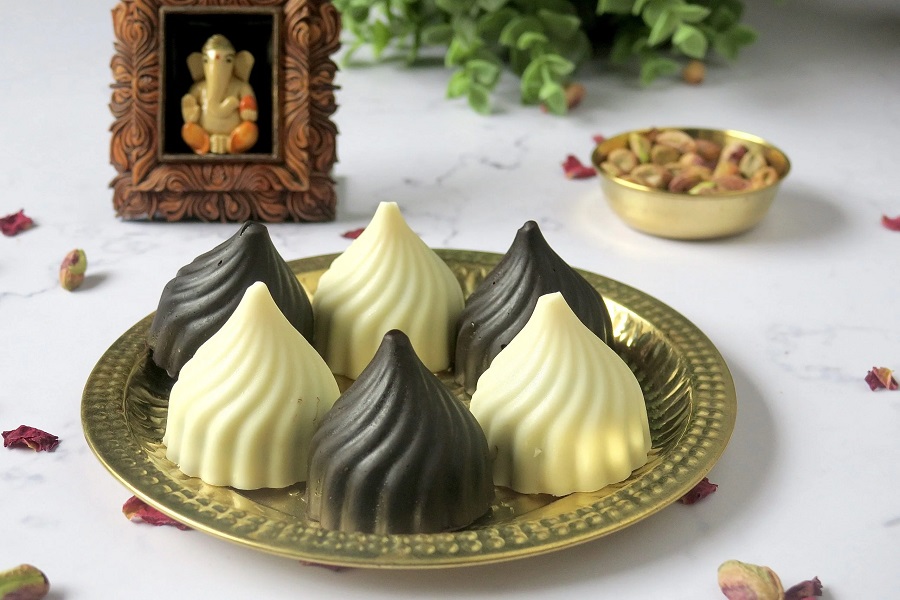
During Diwali, families prepare sweets and savory snacks that represent prosperity and joy. Traditional treats like laddus, barfi, and chakli are shared with neighbors and relatives.
Offering sweets during the festival expresses goodwill and reinforces community relationships.
Eid Celebrations Across the Muslim World
Eid al-Fitr marks the end of Ramadan, the holy month of fasting. Families gather for large meals featuring dishes such as biryani, kebabs, and sweet desserts like sheer khurma.
Sharing food after a month of fasting highlights gratitude, generosity, and compassion.
Harvest Festivals and Seasonal Celebrations
Harvest festivals reflect humanity’s long connection with agriculture. Communities celebrate successful growing seasons with meals that feature local crops.
Thanksgiving in the United States
Thanksgiving centers around gratitude and family connection. The traditional meal often includes:
- Roast turkey
- Stuffing
- Mashed potatoes
- Cranberry sauce
- Pumpkin pie
These dishes reflect the agricultural history of early settlers and symbolize appreciation for abundance.
The shared meal remains the emotional centerpiece of the holiday.
Mid-Autumn Festival in China
Mooncakes are the signature food of this festival. Families gather to admire the full moon and share these dense pastries filled with lotus seed paste, nuts, or salted egg yolks.
Mooncakes symbolize unity and completeness, reinforcing family togetherness.
Yam Festival in West Africa
The New Yam Festival celebrates the harvest of new crops and expresses gratitude for agricultural success. Communities prepare yam-based dishes and share them widely.
Eating the first yam of the season marks renewal and prosperity.
National Identity and Celebratory Food
Food often plays a central role in national holidays that celebrate independence, unity, or historical milestones.
Independence Day in the United States
Outdoor gatherings featuring grilled foods represent freedom, leisure, and community spirit. Common foods include:
- Hamburgers
- Hot dogs
- Corn on the cob
- Apple pie
These meals reflect both national identity and summer tradition.
Bastille Day in France
Celebrations frequently include picnics, pastries, cheeses, and wine shared in public spaces. These foods reflect the importance of culinary heritage in French culture.
Festive meals reinforce national pride while encouraging communal participation.
Mexico’s Independence Day
Traditional foods such as chiles en nogada symbolize the colors of the national flag. The dish combines green peppers, white walnut sauce, and red pomegranate seeds.
Meals like this demonstrate how food can visually represent national identity.
Family Celebrations and Life Milestones
Food also plays a powerful role in personal celebrations such as weddings, birthdays, and anniversaries. These occasions highlight how meals create shared memories.
Weddings Around the World
Wedding feasts vary widely but share a common purpose: bringing families together.
Examples include:
- Multi-course banquets in China representing prosperity
- Elaborate dessert tables in Middle Eastern celebrations
- Traditional rice dishes in South Asian weddings symbolizing fertility and abundance
Serving guests generous portions reflects hospitality and respect.
Birthdays Across Cultures
Birthday cakes have become a global tradition, but local variations remain important.
In some cultures:
- Noodles symbolize long life
- Sweet rice represents happiness
- Special breads mark growth and blessings
These traditions show how even simple celebrations carry cultural depth.
Food as a Tool for Strengthening Community Bonds
Celebrations rarely happen in isolation. Shared meals encourage participation and cooperation.
Cooking together builds relationships in several ways:
- Families prepare recipes collectively
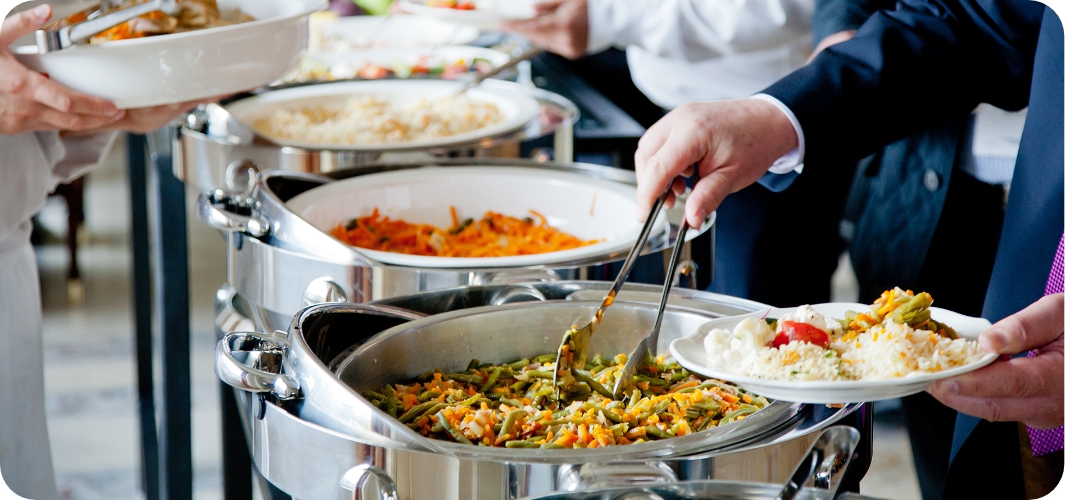
- Communities organize large shared feasts
- Neighbors exchange traditional dishes
- Religious groups distribute meals to those in need
These practices reinforce unity and mutual support.
Food transforms celebrations from private experiences into collective events.
The Role of Traditional Ingredients in Festive Cooking
Ingredients used in celebration meals often carry symbolic meaning tied to prosperity, health, or renewal.
Examples include:
- Lentils symbolizing wealth in parts of Europe
- Grapes representing good luck in Spain’s New Year celebrations
- Fish symbolizing abundance in East Asian festivals
- Honey representing sweetness and hope in Jewish traditions
These symbolic foods allow communities to express wishes for the future through meals.
Modern Influences on Traditional Celebration Foods
Globalization has introduced new ingredients and cooking techniques into traditional celebrations. While some recipes evolve, many communities carefully preserve original dishes.
Today, celebration meals often reflect a balance between tradition and innovation.
Examples include:
- Fusion versions of classic holiday desserts
- Health-conscious adaptations of traditional recipes
- International dishes incorporated into multicultural celebrations
Despite these changes, the emotional importance of festive meals remains unchanged.
Food continues to connect generations even as cultures adapt to modern lifestyles.
The Emotional Power of Shared Celebration Meals
Food creates lasting memories because it engages all the senses. The aroma of a familiar dish can instantly reconnect people with childhood celebrations and family traditions.
Celebratory meals often represent:
- Belonging
- Gratitude
- Continuity
- Identity
- Love
These emotional connections explain why traditional recipes remain deeply valued across generations.
Even in rapidly changing societies, celebration foods preserve a sense of stability and cultural connection.
How Food Helps Preserve Cultural Heritage
Traditional celebration foods act as living archives of cultural knowledge. Recipes often survive centuries of change because families continue preparing them during important events.
Preserving these dishes helps maintain:
- Language through recipe names
- Rituals through cooking methods
- Identity through shared ingredients
- Values through symbolic meaning
Teaching younger generations how to prepare celebration foods ensures cultural continuity.
Festive meals therefore function as bridges between history and the present.
Conclusion
Across the world, food remains one of the most powerful elements of celebration. It connects families, strengthens communities, expresses cultural identity, and preserves traditions across generations. Whether shared during religious festivals, national holidays, harvest events, or personal milestones, celebration meals transform ordinary ingredients into meaningful experiences.
As societies evolve and cultures interact more closely than ever before, traditional festive foods continue to serve as reminders of heritage, belonging, and shared human values. Through celebration meals, communities around the world honor both their history and their hopes for the future.
FAQ Section
Why do certain foods become associated with specific celebrations?
Foods become linked to celebrations because of historical availability, religious symbolism, seasonal timing, and cultural storytelling that reinforce their importance across generations.
How do celebration foods differ between urban and rural communities?
Urban communities often incorporate global influences into traditional meals, while rural areas typically preserve older recipes and cooking methods more closely tied to local agriculture.
Can celebration foods change over time without losing their meaning?
Yes. Ingredients and preparation styles may adapt, but symbolic values and shared traditions often remain intact even as recipes evolve.
Why are sweets common in many festivals worldwide?
Sweets frequently symbolize happiness, prosperity, and good fortune, making them ideal for marking joyful occasions and new beginnings.
How does migration influence celebration food traditions?
Migrating communities adapt recipes based on available ingredients while preserving original flavors and meanings to maintain cultural identity abroad.
Are celebration foods always expensive or elaborate?
Not necessarily. Many traditional celebration meals rely on simple ingredients but gain significance through symbolism and shared preparation rather than cost.
How can younger generations stay connected to traditional celebration foods?
Learning family recipes, participating in festival cooking, and documenting culinary traditions help younger generations maintain meaningful connections with their heritage.