Electrolyte Loss After Trampoline Workouts in Singapore’s Humid Heat
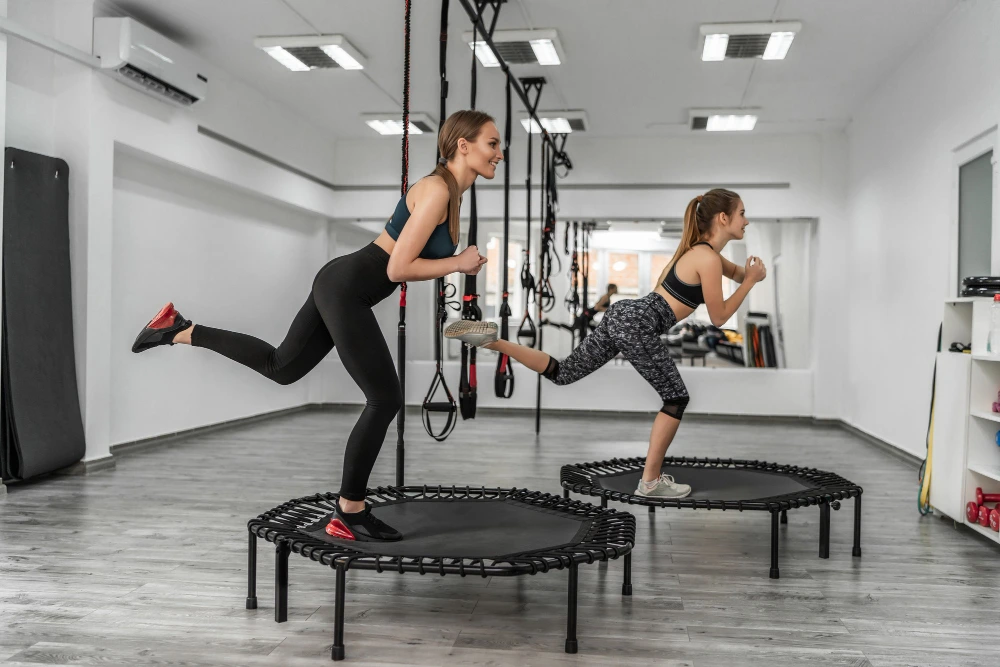
Singapore’s climate is not just hot. It is relentlessly humid. Even in air-conditioned indoor spaces, sweat rates during exercise are significantly higher than in temperate climates.
This creates a specific hydration and electrolyte challenge for anyone training regularly, including participants in trampoline fitness singapore classes.
Most people understand they need to drink water during and after workouts. What they do not realise is that water alone is not enough once sweat loss becomes substantial. You need to replace electrolytes, particularly sodium, to maintain performance, prevent cramping, and support recovery.
What Electrolytes Actually Do
Electrolytes are minerals that carry electrical charges and regulate critical functions throughout your body:
Sodium: Maintains fluid balance, supports nerve signalling, and regulates blood pressure.
Potassium: Controls muscle contractions, including your heartbeat, and balances sodium levels.
Magnesium: Involved in energy production, muscle relaxation, and nervous system function.
Chloride: Works with sodium to maintain fluid balance and supports digestion.
When you sweat, you lose all of these, but sodium is lost in the highest concentration and has the most immediate impact on how you feel and perform.
Why Singapore’s Humidity Increases Electrolyte Loss
Humidity prevents sweat from evaporating efficiently. Your body keeps producing sweat to cool down, but because it is not evaporating, the cooling effect is reduced.
This means you sweat more in humid conditions to achieve the same cooling you would get from less sweat in a dry climate.
A trampoline fitness singapore session in Singapore’s climate can easily produce sweat loss of 1 to 2 litres or more over 45 to 60 minutes, even in an air-conditioned studio. That volume of sweat represents significant sodium and electrolyte loss.
Signs You Are Electrolyte Depleted After Training
Electrolyte depletion produces several recognisable symptoms:
- Muscle cramping, particularly in calves, hamstrings, or feet
- Headache that develops during or shortly after exercise
- Feeling unusually fatigued despite adequate sleep
- Dizziness or lightheadedness when standing up
- Increased heart rate at rest
- Difficulty concentrating or mental fog
Many people attribute these symptoms to dehydration and drink more plain water, which can actually worsen the problem by further diluting electrolyte concentrations.
Why Plain Water Is Not Enough After High-Sweat Sessions
When you lose a litre of sweat, you lose approximately 900 to 1100mg of sodium along with smaller amounts of other electrolytes.
If you replace that volume with plain water but do not replace the sodium, your blood sodium concentration drops. This condition, called hyponatremia, makes you feel worse rather than better.
Your body needs sodium to retain the water you drink. Without adequate sodium, the water you consume passes through to your bladder without rehydrating your tissues effectively.
This is why drinking large amounts of plain water after intense exercise in Singapore’s heat often fails to resolve the fatigue and headache you are feeling.
What to Consume for Proper Electrolyte Replacement
The most effective post-workout electrolyte replacement comes from a combination of:
Electrolyte drinks: Products containing at least 300 to 500mg sodium per serving along with potassium, magnesium, and chloride. These are specifically formulated for sweat replacement.
Salty whole foods: Soup, miso, salted nuts, or a meal with adequate salt added provides sodium in a food matrix that supports gradual absorption.
Coconut water: Provides potassium and some sodium, though sodium content is lower than dedicated sports drinks. Best used in combination with a small amount of added salt.
Fruit: Bananas, oranges, and melons provide potassium and magnesium along with carbohydrates for glycogen replenishment.
The key is not choosing one source but combining several to address the full spectrum of electrolyte loss.
Timing Matters for Recovery
Electrolyte replacement is most effective in the 30 to 60 minutes immediately following your trampoline session. This is when your body is primed to absorb and utilise nutrients for recovery.
Waiting several hours to eat or drink after training extends recovery time and increases the likelihood of next-day soreness and fatigue.
Even a simple post-class routine like drinking an electrolyte beverage and eating a piece of fruit with a handful of salted nuts significantly improves how you feel the next day.
Pre-Training Electrolyte Strategy
Electrolyte management is not just about post-workout replacement. What you consume in the hours before training affects how much you lose during the session.
Arriving at a trampoline fitness singapore class already mildly dehydrated or sodium-depleted means you start the session at a deficit. Your performance suffers, and recovery becomes harder.
A practical pre-training strategy includes:
- Drinking water consistently throughout the day rather than chugging large amounts right before class
- Including some sodium in your pre-workout meal or snack
- Avoiding excessive caffeine or alcohol in the hours before training, as both increase fluid loss
Commercial Electrolyte Products vs. Homemade Solutions
Commercial sports drinks vary widely in quality. Many are loaded with sugar and artificial ingredients but contain insufficient sodium for genuine electrolyte replacement.
Look for products specifically designed for endurance athletes or high-sweat activities. These typically contain 300mg or more of sodium per serving.
A simple homemade electrolyte solution can be made by mixing:
- 500ml water
- 1/4 teaspoon salt (approximately 575mg sodium)
- 1 tablespoon honey or maple syrup for carbohydrate
- Juice of half a lemon or lime for flavour and potassium
This provides effective electrolyte replacement at a fraction of the cost of commercial products.
TFX Singapore members who prioritise post-class electrolyte replacement consistently report better recovery, reduced cramping, and improved performance over training weeks compared to those relying on plain water alone.
FAQs
Q: Can you get too many electrolytes from supplements or sports drinks?
It is difficult to overconsume electrolytes through food and beverages under normal circumstances. Your kidneys regulate levels effectively.
However, people with kidney disease or certain medical conditions should consult their doctor before using high-sodium electrolyte products.
Q: Are electrolyte needs different for women compared to men?
Women generally have lower sweat rates and smaller total body water volumes than men, so absolute electrolyte needs are somewhat lower.
However, the concentration of electrolytes in sweat is similar, so the replacement strategy remains the same relative to sweat loss.
Q: Do I need electrolytes after every single workout, or only after intense sessions?
It depends on sweat loss. If you are sweating heavily enough that your clothes are soaked, electrolyte replacement is beneficial.
For lighter sessions where sweat loss is minimal, plain water and normal meals provide adequate replacement.
Q: Can dehydration and electrolyte imbalance affect sleep quality?
Yes. Electrolyte imbalances, particularly low magnesium and sodium, can disrupt sleep architecture and reduce sleep quality.
Proper post-workout electrolyte replacement supports better recovery sleep, which is when most adaptation occurs.