Choosing the Right Catering Style for Your Event Theme
Selecting the right catering style is one of the most important decisions you will make when planning an event. Food does more than satisfy guests—it shapes the atmosphere, supports your theme, influences guest interaction, and affects how smoothly your event flows from start to finish. Whether you are hosting a wedding, corporate gathering, birthday celebration, fundraiser, or private dinner party, your catering format should match both your vision and your practical needs.
This guide explains how to choose the most suitable catering style based on your event theme, guest expectations, budget, and venue setup so your event feels intentional, polished, and memorable.
Why Catering Style Matters for Event Success
Many event planners focus heavily on menu selection but overlook how the food is served. The service format influences:
- Guest comfort and experience
- Event pacing and timing
- Staffing requirements
- Budget allocation
- Visual presentation
- Interaction between guests
For example, a formal plated dinner creates elegance and structure, while interactive food stations encourage movement and conversation. Choosing the right approach ensures your catering supports your event’s purpose instead of competing with it.
Understanding the Most Popular Catering Styles
Before selecting the best option, it helps to understand the strengths of each service style.
Plated Catering
Plated service is often associated with formal events. Guests remain seated while servers deliver pre-selected courses.
Best suited for:
- Weddings
- Galas
- Award ceremonies
- Executive dinners
- Black-tie events
Advantages include:
- Elegant presentation
- Controlled portion sizes
- Structured timeline
- Minimal guest movement
- Refined dining atmosphere
However, plated meals require accurate guest counts and advance menu selections. They also require more staff, which can increase costs.
This style works especially well when your theme emphasizes sophistication, tradition, or luxury.
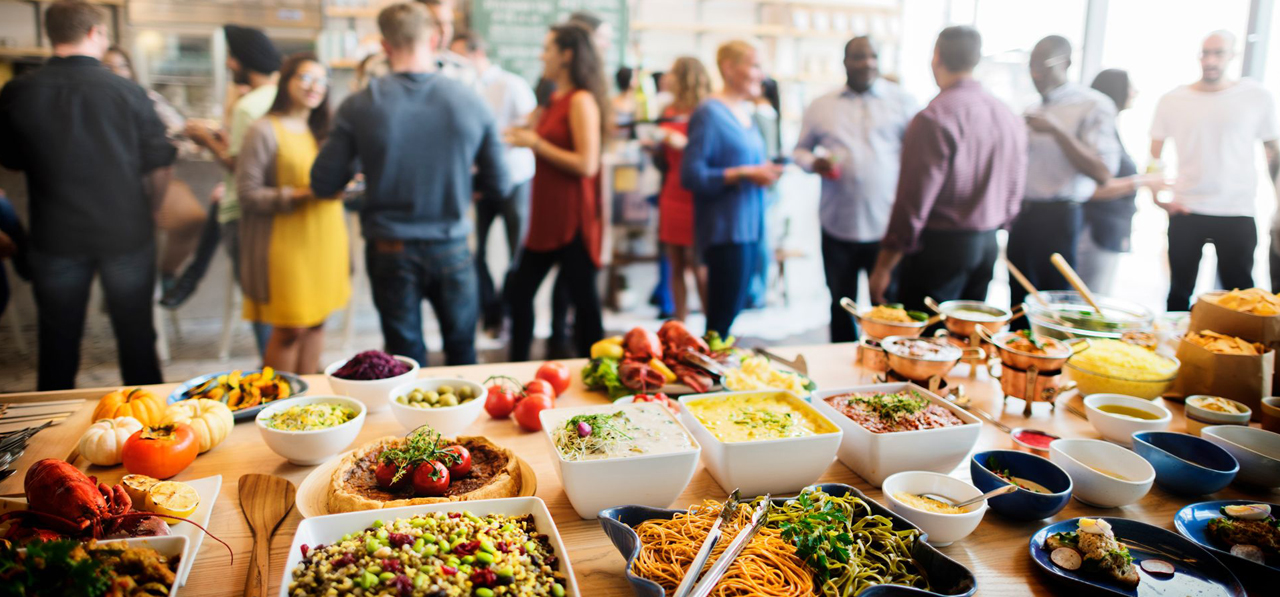
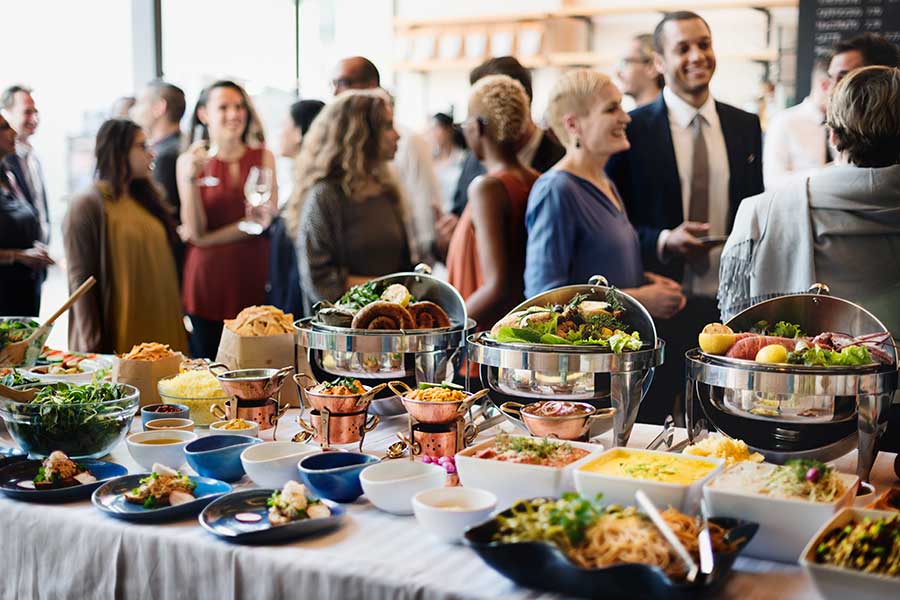
Buffet Catering
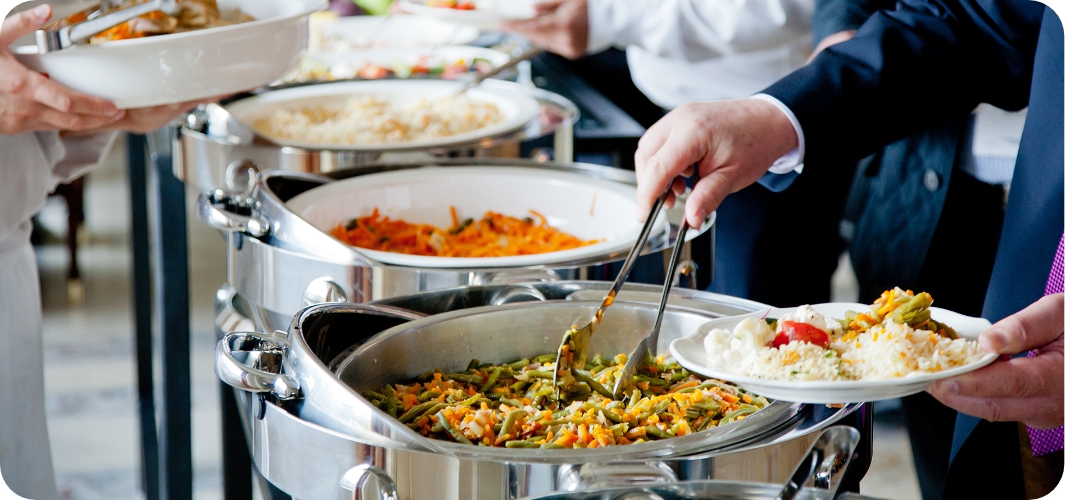
Buffets allow guests to serve themselves from a selection of dishes arranged on display tables.
Best suited for:
- Corporate functions
- Family celebrations
- Community events
- Casual weddings
- Holiday gatherings
Benefits include:
- Menu variety
- Flexible portions
- Faster service for large groups
- Lower staffing needs
- Greater accommodation for dietary preferences
Buffets create a relaxed environment and support social interaction. They pair well with themes that prioritize comfort and inclusivity.
Family-Style Catering
Family-style service places shared platters on each table so guests serve themselves while remaining seated.
Best suited for:
- Rustic weddings
- Rehearsal dinners
- Cultural celebrations
- Intimate gatherings
Key advantages include:
- Encourages conversation
- Creates warmth and connection
- Offers menu variety without lines
- Maintains seated dining structure
This approach blends the elegance of plated service with the flexibility of buffets, making it ideal for welcoming and communal event themes.
Food Stations
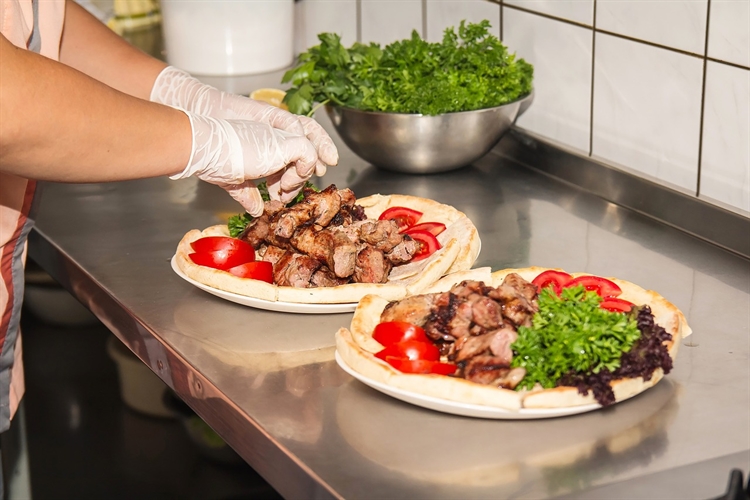
Food stations are interactive service areas where chefs prepare or assemble dishes on demand.
Best suited for:
- Modern weddings
- Corporate mixers
- Networking events
- Cocktail receptions
- Experientially themed parties
Popular station ideas include:
- Pasta stations
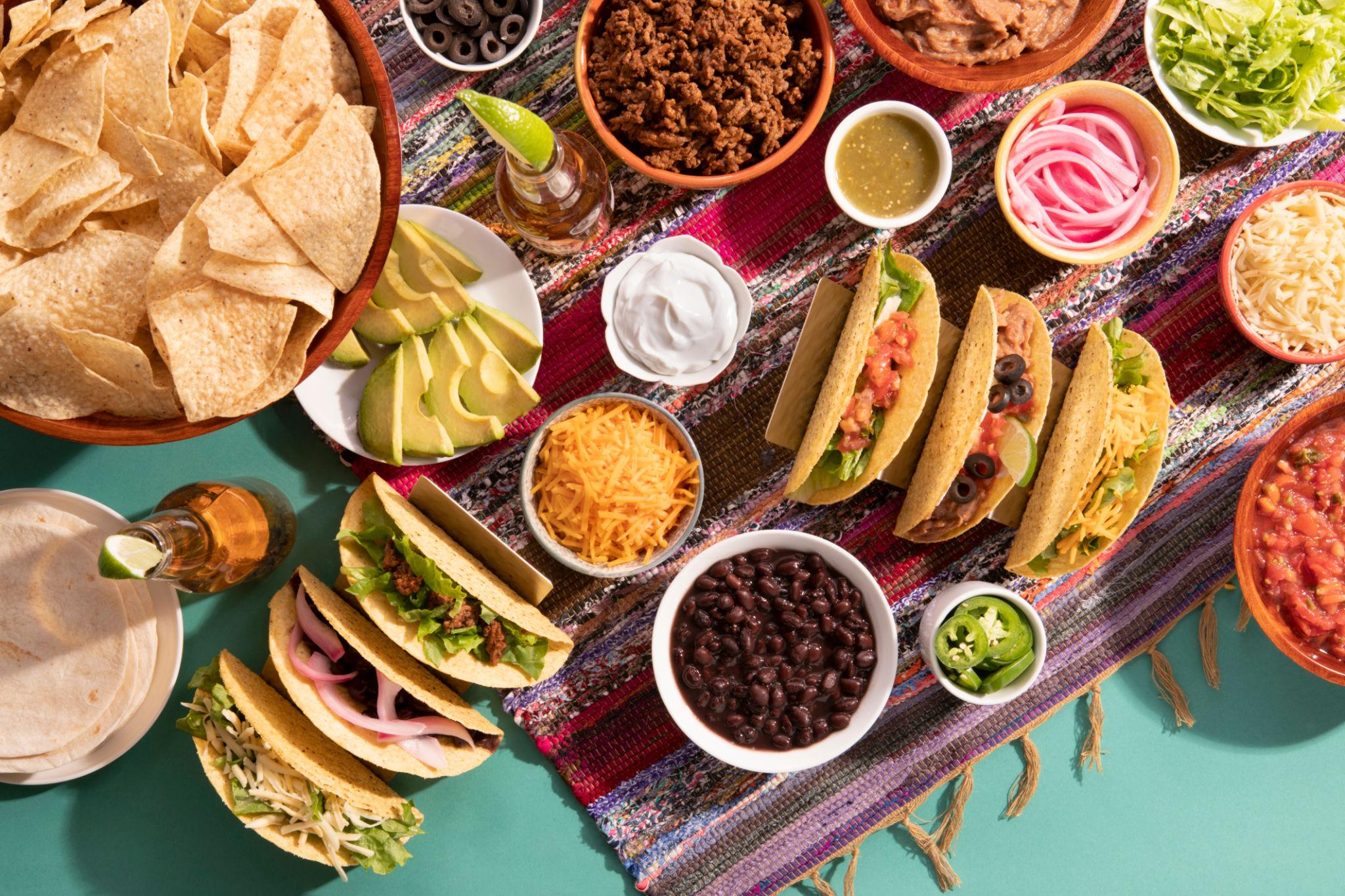
- Taco bars
- Carving stations
- Sushi stations
- Dessert bars
Stations encourage guest movement and engagement. They work especially well when your theme emphasizes creativity, personalization, or entertainment.
Cocktail-Style Catering
Cocktail-style service features small bites and appetizers served throughout the event instead of a full seated meal.
Best suited for:
- Networking events
- Product launches
- Gallery openings
- Anniversary celebrations
- Evening receptions
Advantages include:
- Encourages mingling
- Maximizes venue flexibility
- Supports shorter event timelines
- Allows diverse menu selections
This format pairs naturally with modern, stylish, and energetic themes.
Matching Catering Style to Event Theme
Your theme sets the emotional tone of your event. Catering should reinforce that tone rather than conflict with it.
Formal and Elegant Themes
For upscale events, presentation and structure matter.
Recommended catering styles:
- Plated service
- Chef-attended carving stations
- Multi-course dinners
Elegant themes benefit from polished table settings, coordinated serving timelines, and visually refined dishes.
Rustic or Outdoor Themes
Outdoor venues and rustic decor call for relaxed service formats.
Recommended catering styles:
- Family-style meals
- Barbecue buffets
- Farm-to-table stations
These styles support natural conversation and complement casual décor elements like wooden tables and string lighting.
Corporate and Professional Themes
Efficiency and convenience are essential for business events.
Recommended catering styles:
- Buffets
- Boxed lunches
- Food stations
- Grab-and-go service
These formats help maintain schedules while accommodating different dietary preferences.
Cultural or Traditional Celebrations
Some events highlight heritage and shared traditions.
Recommended catering styles:
- Family-style service
- Cultural specialty stations
- Community-style buffets
Serving food in a way that reflects tradition strengthens the authenticity of your event theme.
Trendy or Modern Themes
Contemporary events benefit from creative presentation.
Recommended catering styles:
- Interactive food stations
- Cocktail-style service
- Fusion tasting menus
These formats add excitement and visual interest while encouraging guest participation.
Considering Guest Experience When Choosing a Style
Your guests should feel comfortable navigating the meal service. Consider the following factors before making your final decision.
Guest Count
Large guest lists often benefit from:
- Buffets
- Stations
- Combination service formats
Smaller groups may enjoy:
- Plated dinners
- Family-style meals
Matching service type to guest volume prevents congestion and delays.
Guest Demographics
Think about:
- Age range
- Mobility needs
- Cultural expectations
- Dietary restrictions
For example, seated service may be easier for older guests, while interactive stations appeal to younger audiences.
Event Duration
Short events work best with lighter catering formats like cocktail service or stations.
Longer events typically require full meals such as:
- Buffets
- Plated dinners
- Family-style service
Proper planning ensures guests remain comfortable and satisfied throughout the event.
Aligning Catering Style With Venue Layout
Your venue influences what catering formats are practical.
Ask these questions before deciding:
- Is there enough space for buffet tables?
- Can servers move easily between tables?
- Are kitchen facilities available onsite?
- Is outdoor service required?
For example, compact venues often benefit from plated meals, while open floor plans support stations and buffets.
Working with your caterer early helps avoid logistical challenges later.
Budget Considerations That Affect Catering Style
Different service formats require different staffing levels and equipment.
Typical cost factors include:
- Number of servers required
- Rental equipment
- Menu complexity
- Setup requirements
- Cleanup services
Generally speaking:
- Plated service costs more
- Buffets offer flexibility
- Stations vary based on customization level
Balancing presentation with practicality ensures you stay within budget without sacrificing guest satisfaction.
Combining Catering Styles for Maximum Impact
Many successful events blend multiple catering formats to create variety and flexibility.
Popular combinations include:
- Cocktail hour appetizers followed by plated dinner
- Buffet dinner with dessert stations
- Food stations paired with lounge seating
- Family-style main course with plated desserts
This layered approach keeps guests engaged throughout the event timeline.
Coordinating Catering Style With Event Flow
Your meal service should support the rhythm of your event rather than interrupt it.
Consider how catering interacts with:
- Speeches
- Entertainment
- Presentations
- Dancing
- Networking sessions
For example:
Plated dinners work well when speeches occur between courses.
Food stations support events with continuous movement and conversation.
Planning this sequence carefully improves the overall experience.
Working Effectively With Your Caterer
Your caterer plays a key role in translating your vision into reality.
Share the following details early:
- Event theme
- Guest count
- Venue layout
- Budget range
- Timeline expectations
- Dietary needs
Professional caterers can recommend service styles that align with your goals while avoiding logistical complications.
Strong communication leads to smoother execution on event day.
Final Thoughts
Choosing the right catering style involves more than selecting dishes. It shapes how guests interact, how smoothly the event unfolds, and how well your theme comes to life. By aligning service format with your venue, audience, budget, and atmosphere, you create an experience that feels cohesive and thoughtfully designed.
Whether you select plated elegance, relaxed buffets, interactive stations, or a blended approach, the right catering style helps transform your event from ordinary to memorable.
Frequently Asked Questions
How far in advance should I choose a catering style for my event?
It is best to finalize your catering style at least two to three months before the event. This gives enough time to coordinate staffing, equipment rentals, and menu planning with your caterer.
Can I change my catering style after booking a caterer?
Many caterers allow adjustments early in the planning process, but changes closer to the event date may increase costs or limit available options.
Is buffet catering always less expensive than plated service?
Buffets often cost less because they require fewer servers, but pricing depends on menu selections, guest count, and equipment needs.
What catering style works best for outdoor summer events?
Buffets, barbecue stations, and family-style service typically perform well outdoors because they support relaxed movement and casual atmospheres.
Should catering style match the time of day of the event?
Yes. Morning events usually feature lighter formats like brunch stations, while evening events often include plated dinners or cocktail receptions.
How do I accommodate guests with dietary restrictions?
Choose catering styles that offer variety, such as buffets or stations, and clearly label dishes so guests can identify suitable options easily.
Is it appropriate to mix formal décor with casual catering service?
Yes. Many modern events successfully combine elegant décor with relaxed catering formats, creating a balanced atmosphere that feels both stylish and welcoming.