Secrets Behind Successful Restaurant Menus
A restaurant menu is far more than a list of dishes. It is a strategic tool that shapes customer expectations, communicates brand identity, influences ordering decisions, and directly impacts profitability. Well-designed menus guide guests naturally toward signature items, simplify choices, highlight strengths, and create memorable dining experiences.
Successful restaurants treat menu creation as both an art and a science. From layout and pricing to ingredient selection and storytelling, every element plays a role in shaping customer satisfaction and business performance.
Understanding the principles behind effective menu design helps restaurant owners build menus that attract guests, encourage repeat visits, and strengthen brand recognition.
Why Restaurant Menus Matter More Than Most Owners Realize
Menus serve multiple functions at once. They inform, persuade, organize, and represent the restaurant’s personality.
A strong menu helps:
- Communicate the restaurant concept clearly
- Increase average check size
- Reduce ordering confusion
- Highlight profitable dishes
- Improve operational efficiency
- Strengthen brand identity
When menus are carefully planned, they become one of the most powerful tools in restaurant success.
Defining a Clear Restaurant Concept First
Before writing a menu, successful restaurants establish a clear identity. The menu should reflect the experience the restaurant promises to deliver.
Important concept questions include:
- Is the restaurant casual or upscale
- Is the cuisine traditional or modern
- Are dishes locally inspired or globally influenced
- Is the focus on speed or experience
- Are meals designed for sharing or individual service
Menus that match the restaurant’s atmosphere feel natural and cohesive to guests.
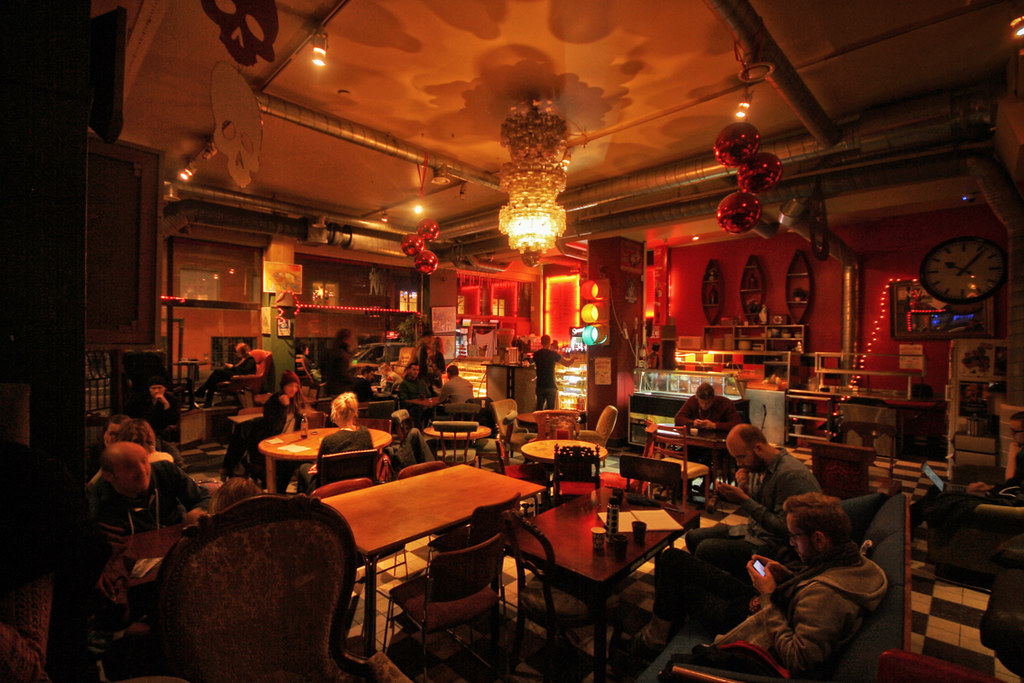
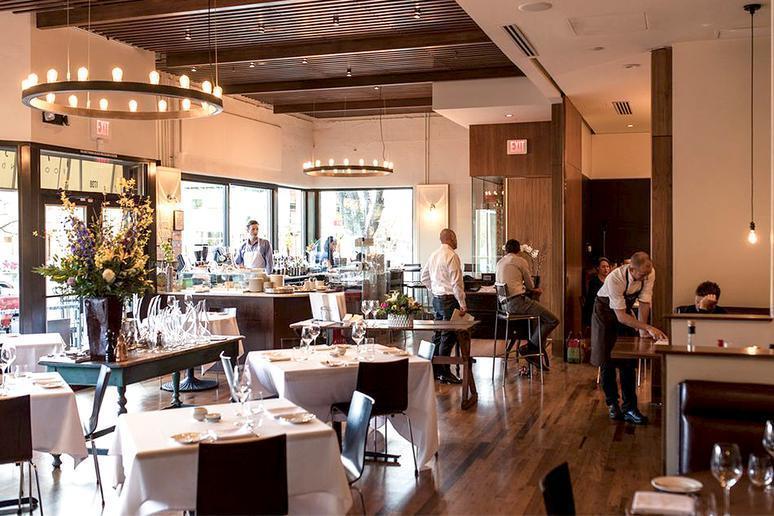
For example, a neighborhood café benefits from approachable comfort food descriptions, while a fine dining restaurant uses refined language and curated selections.
Keeping the Menu Focused Instead of Overcrowded
One of the most common mistakes in menu design is offering too many choices.
Large menus often lead to:
- Slower kitchen operations
- Ingredient waste
- Customer decision fatigue
- Lower food consistency
Successful restaurants typically offer fewer dishes prepared exceptionally well.
Benefits of a focused menu include:
- Faster service times
- Stronger quality control
- Easier staff training
- Better ingredient sourcing
- Clearer brand identity
Customers often trust restaurants that specialize rather than trying to do everything.
Highlighting Signature Dishes Strategically
Every successful restaurant has standout items that define its reputation. These dishes should receive special attention in menu placement and description.
Ways to highlight signature dishes include:
- Positioning them in high-visibility areas
- Using descriptive language
- Featuring chef recommendations
- Adding visual markers or spacing emphasis
Guests often rely on subtle cues to choose meals. Thoughtful placement increases the likelihood that they select these key dishes.
Signature items become memorable experiences that encourage return visits.
Using Menu Layout to Guide Customer Decisions
Menu layout influences ordering behavior more than most diners realize.
Strategic placement helps restaurants promote high-value items naturally.
Effective layout techniques include:
- Placing featured dishes in the upper right section
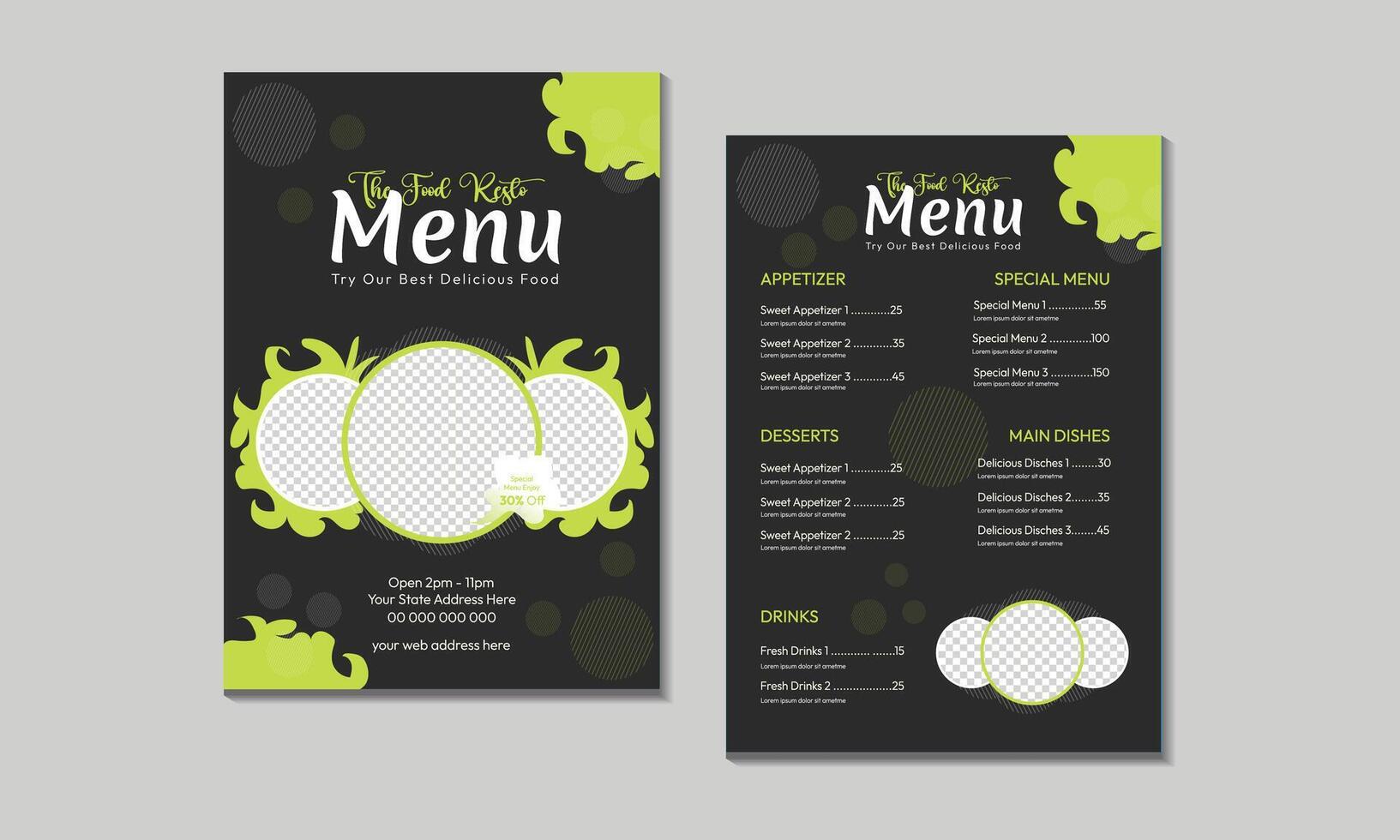
- Grouping items into logical categories
- Limiting visual clutter
- Using spacing intentionally
Guests tend to scan menus rather than read every line. Clear organization improves both readability and ordering confidence.
Writing Descriptions That Inspire Without Overwhelming
Strong menu descriptions balance clarity with appeal. Guests want enough information to understand dishes without feeling overloaded.
Effective descriptions include:
- Cooking methods
- Key ingredients
- Flavor profiles
- Unique preparation details
For example, describing a dish as slow roasted herb chicken with seasonal vegetables communicates quality and intention more effectively than simply listing chicken with vegetables.
Clear descriptions reduce uncertainty and increase ordering confidence.
Pricing Strategies That Support Restaurant Profitability
Menu pricing is one of the most sensitive and important decisions restaurant owners make.
Successful menus balance:
- Ingredient costs
- Labor requirements
- Customer expectations
- Market positioning
Effective pricing techniques include:
- Avoiding excessive decimal points
- Grouping items logically by category
- Positioning premium dishes near mid-range options
- Offering value-driven combinations
Customers often compare dishes within categories rather than across the entire menu. Strategic placement influences perceived affordability.
Designing Menus That Match the Dining Environment
Menu style should reflect the physical space where guests eat.
Examples include:
Casual restaurants benefit from:
- Simple layouts
- Friendly descriptions
- Durable materials
Upscale restaurants benefit from:
- Minimalist presentation
- Elegant typography
- Carefully structured categories
Menus act as an extension of the restaurant’s atmosphere. Consistency strengthens brand recognition and trust.
Supporting Kitchen Efficiency Through Smart Menu Planning
Menus affect kitchen performance just as much as customer experience.
Efficient menus:
- Share ingredients across dishes
- Reduce preparation complexity
- Limit unnecessary variations
- Support consistent portion control
For example, using the same herb blend across multiple dishes simplifies inventory management and improves consistency.
Restaurants that align menus with kitchen workflow operate more smoothly during busy service periods.
Emphasizing Seasonal Ingredients for Freshness and Value
Seasonal ingredients improve both quality and cost control.
Benefits include:
- Stronger flavor
- Lower sourcing costs
- Better availability
- Increased menu flexibility
Seasonal menus also create excitement and encourage repeat visits.
Guests appreciate restaurants that update offerings throughout the year while maintaining signature favorites.
Creating Balanced Menu Categories
Balanced menus guide guests naturally through their dining experience.
Common category structures include:
- Starters
- Salads
- Main courses
- Sides
- Desserts
- Beverages
Organizing items logically helps guests navigate choices comfortably.
Too many categories can create confusion, while too few may limit exploration.
Successful menus strike the right balance between variety and simplicity.
Encouraging Profitable Choices Through Menu Engineering
Menu engineering combines psychology and pricing strategy to guide ordering behavior.
Restaurants often classify dishes based on popularity and profitability.
Key categories include:
- High popularity high profit items
- High popularity lower profit items
- Lower popularity high profit items
- Lower popularity lower profit items
Successful menus highlight items that perform well in both popularity and profitability.
Strategic placement helps improve overall revenue without changing ingredient quality.
Using Visual Simplicity to Improve Readability
Clean menu design increases customer confidence and reduces ordering hesitation.
Effective visual strategies include:
- Limiting font styles
- Using consistent spacing
- Avoiding excessive graphics
- Maintaining clear category headings
Simple menus feel easier to understand and more professional.
Guests spend less time searching and more time enjoying their experience.
Training Staff to Support the Menu Experience
Even the best menu benefits from knowledgeable staff.
Servers who understand menu details can:
- Recommend popular dishes
- Suggest pairings
- Answer ingredient questions
- Support dietary needs
Confident staff improve customer trust and increase ordering satisfaction.
Restaurants that train staff regularly often see stronger guest engagement.
Offering Limited-Time Specials to Maintain Interest
Special menus create excitement without requiring permanent changes.
Benefits include:
- Testing new dishes
- Highlighting seasonal ingredients
- Encouraging repeat visits
- Supporting chef creativity
Rotating specials also provide insight into customer preferences.
Successful restaurants use specials to refine future menu updates.
Designing Menus for Different Dining Occasions
Restaurants often serve guests with different expectations depending on time of day.
Examples include:
Lunch menus often emphasize:
- Speed
- Value
- Simplicity
Dinner menus often emphasize:
- Experience
- variety
- presentation
Adapting menus to match these expectations improves satisfaction across multiple service periods.
Maintaining Consistency While Allowing Evolution
Strong menus balance reliability with innovation.
Customers return for familiar favorites but also appreciate new experiences.
Successful restaurants maintain:
- Signature dishes
- consistent flavor quality
- recognizable identity
while introducing:
- seasonal variations
- limited-time features
- updated presentations
This balance keeps menus fresh without losing their core identity.
Final Thoughts
Successful restaurant menus combine strategy, creativity, psychology, and operational planning. They guide customer decisions, strengthen brand identity, support kitchen efficiency, and increase profitability without overwhelming guests.
By focusing on clarity, thoughtful structure, balanced pricing, seasonal ingredients, and signature dishes, restaurants can create menus that not only attract customers but keep them coming back.
A well-designed menu is not just informative. It is one of the most valuable tools a restaurant has for building long-term success.
Frequently Asked Questions
How often should a restaurant update its menu
Most restaurants review menus seasonally or twice a year to adjust pricing, incorporate fresh ingredients, and respond to customer preferences.
Should photos be included on restaurant menus
Photos can be effective in casual dining environments but are usually avoided in upscale restaurants where descriptions create a more refined experience.
What role does typography play in menu success
Typography affects readability and perception. Clean and consistent fonts help guests navigate menus more comfortably and reinforce brand identity.
How many items should a restaurant menu ideally include
Many successful menus feature between fifteen and thirty items depending on the restaurant concept and kitchen capacity.
Is it better to list prices with or without currency symbols
Many restaurants omit currency symbols because guests tend to focus less on price and more on the dining experience.
How can restaurants test whether a menu change is effective
Tracking ordering patterns, customer feedback, and sales performance helps identify whether new menu items are successful.
Should restaurants offer customizable dishes on their menus
Limited customization works well because it accommodates dietary needs while maintaining kitchen efficiency and consistent food quality.