How to Cook Faster Without Losing Flavor
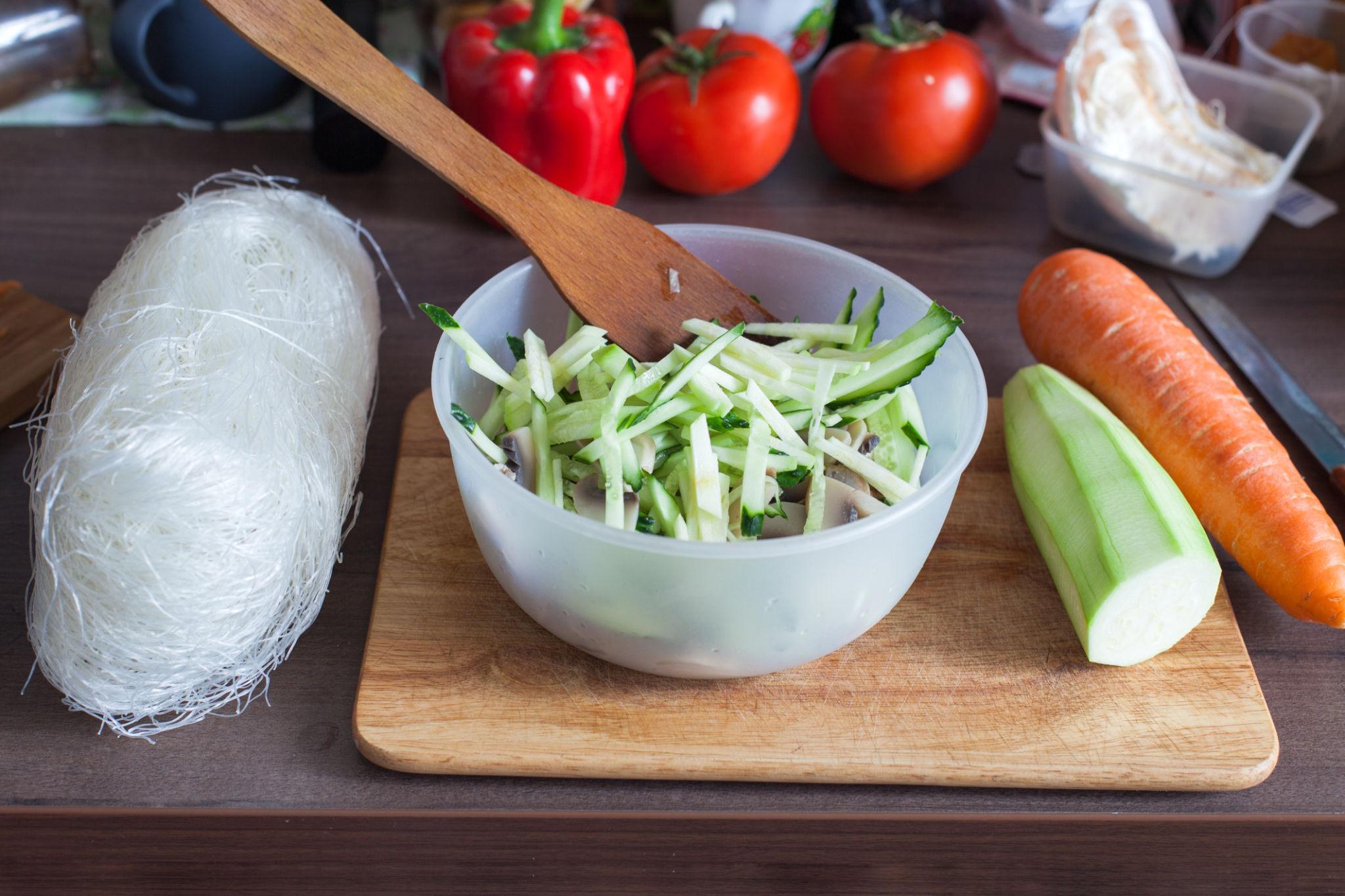
Cooking at home does not have to be time consuming to be delicious. Many people assume that flavorful meals require long preparation times, multiple steps, and complex techniques. In reality, smart cooking strategies can significantly reduce time in the kitchen while preserving taste, texture, and nutrition.
Learning how to cook efficiently without sacrificing flavor is a practical skill that supports healthier eating habits, reduces stress, and makes daily meal preparation more manageable. By organizing ingredients properly, choosing the right techniques, and understanding how flavors develop, anyone can prepare satisfying meals in less time.
This guide explains proven methods that help you cook faster while keeping your meals rich and enjoyable.
Why Cooking Faster Does Not Mean Sacrificing Flavor
Flavor develops through seasoning, technique, and ingredient quality rather than time alone. While some dishes benefit from slow cooking, many everyday meals can be prepared quickly without compromising taste.
Efficient cooking focuses on:
- Smart ingredient selection
- Proper preparation methods
- Heat management
- Strategic seasoning
- Kitchen organization
When these elements work together, cooking becomes both faster and more effective.
Plan Meals Before You Start Cooking
One of the simplest ways to cook faster is to plan meals ahead of time. Decision making during cooking slows the process and interrupts workflow.
Meal planning helps you:
- Reduce preparation time
- Avoid unnecessary steps
- Use ingredients efficiently
- Prevent last minute substitutions
Even planning meals one day in advance improves cooking speed significantly.
Creating a weekly ingredient list also prevents repeated trips to the store and helps maintain consistency in flavor.
Use the Mise en Place Method
Professional kitchens rely on a method called mise en place, which means organizing ingredients before cooking begins.
This technique includes:
- Washing vegetables
- Measuring spices
- Chopping ingredients
- Preparing sauces in advance
Having everything ready before turning on the stove eliminates delays during cooking.
It also helps maintain focus and improves timing between steps.
Choose Ingredients That Cook Quickly
Certain ingredients naturally require less cooking time but still deliver strong flavor.
Examples include:
- Thin cuts of chicken or beef
- Shrimp and fish fillets
- Leafy greens
- Mushrooms
- Zucchini and bell peppers
- Eggs
These ingredients cook quickly while absorbing seasoning effectively.
Pairing fast cooking ingredients together allows entire meals to be completed in under thirty minutes.
Cut Ingredients Into Smaller Pieces
Reducing ingredient size shortens cooking time dramatically.
Smaller pieces:
- Cook more evenly
- Absorb seasoning faster
- Require less heat exposure
- Reduce waiting time
Uniform cutting is especially important because evenly sized pieces cook at the same rate.
Consistent preparation improves both speed and flavor balance.
Master High Heat Cooking Techniques
High heat cooking is one of the most effective ways to prepare meals quickly without losing flavor.
Common techniques include:
- Stir frying
- Sautéing
- Pan searing
- Broiling
These methods create surface browning that enhances flavor while keeping cooking time short.
Proper heat control prevents burning while preserving texture.
Using a preheated pan ensures ingredients begin cooking immediately instead of slowly warming up.
Use One Pan Meals Whenever Possible
One pan cooking reduces preparation time and cleanup while preserving flavor.
Examples of efficient one pan meals include:
- Skillet chicken with vegetables
- Stir fry combinations
- Sheet pan roasted meals
- Pasta cooked with sauce ingredients together
Cooking ingredients together allows flavors to blend naturally during preparation.
This method also saves time by eliminating multiple cooking stages.
Cook With Fresh Aromatics Early
Adding aromatics at the beginning of cooking builds strong flavor quickly.
Common aromatics include:
- Garlic
- Onion
- Ginger
- Scallions
Cooking these ingredients in oil releases natural fragrance and forms a flavorful base for the entire dish.
This step takes only minutes but dramatically improves taste.
Use the Right Kitchen Tools
Efficient tools make cooking faster and more enjoyable.
Helpful tools include:
- Sharp knives
- Nonstick pans
- Pressure cookers
- Food processors
- Sheet pans
Sharp knives reduce preparation time more than most people expect.
Pressure cookers shorten cooking time for grains, beans, and meats without reducing flavor depth.
Choosing the right tools improves both safety and speed.
Season Food at the Right Time
Proper seasoning enhances flavor quickly without requiring longer cooking time.
Effective seasoning strategies include:
- Salting ingredients early for deeper flavor absorption
- Adding herbs near the end for freshness
- Using citrus juice to brighten taste
- Incorporating spices during cooking for aroma development
Balanced seasoning eliminates the need for extended cooking to improve taste.
Layering seasoning throughout the process produces better results than adding everything at once.
Use Quick Flavor Boosters
Some ingredients provide instant flavor improvement without additional cooking time.
Examples include:
- Lemon juice
- Vinegar
- Soy sauce
- Mustard
- Fresh herbs
- Parmesan cheese
Adding these ingredients near the end of cooking enhances depth immediately.
They also help balance richness and acidity in meals.
Cook Multiple Ingredients at the Same Time
Parallel cooking saves valuable minutes during meal preparation.
Instead of cooking ingredients separately:
- Roast vegetables while preparing protein
- Boil pasta while making sauce
- Chop herbs while ingredients sauté
Working on several steps simultaneously improves efficiency without affecting flavor quality.
Professional kitchens rely heavily on this method.
Prepare Ingredients in Advance
Preparing ingredients earlier in the day or week reduces cooking time during busy evenings.
Advance preparation may include:
- Washing vegetables
- Marinating proteins
- Cooking grains
- Preparing sauces
Prepped ingredients allow meals to come together quickly with minimal effort.
Even small preparation steps make a noticeable difference.
Use Marinades for Faster Flavor Development
Marinades help ingredients absorb flavor quickly before cooking begins.
Simple marinades often include:
- Oil
- Acid such as lemon juice or vinegar
- Salt
- Herbs or spices
Even fifteen minutes of marinating improves taste significantly.
This reduces the need for long cooking times later.
Choose Cooking Methods That Preserve Moisture
Dry ingredients often require longer cooking times.
Cooking methods that preserve moisture help speed up preparation.
Effective options include:
- Covered skillet cooking
- Steaming
- Pressure cooking
- Simmering with sauce
These methods keep ingredients tender while preventing flavor loss.
Moisture retention improves both texture and cooking speed.
Keep Your Kitchen Organized
A cluttered kitchen slows cooking more than expected.
Efficient organization includes:
- Storing frequently used tools nearby
- Keeping spices accessible
- Cleaning while cooking
- Preparing workspace before starting
An organized kitchen supports smoother workflow and better timing.
Small improvements in organization create major time savings.
Use Preheated Equipment for Faster Results
Starting with properly heated cookware reduces cooking delays.
Preheating:
- Activates browning faster
- Prevents sticking
- Improves texture
- Enhances flavor development
Whether using an oven or skillet, preheating saves time and improves consistency.
Skipping this step often leads to uneven cooking.
Batch Cooking for Future Meals
Batch cooking reduces total weekly cooking time while maintaining flavor quality.
Examples include preparing:
- Cooked rice
- Roasted vegetables
- Grilled chicken
- Soup bases
These ingredients can be reused in multiple meals throughout the week.
Batch cooking supports both convenience and variety.
Keep Recipes Simple but Flavor Focused
Complex recipes often include unnecessary steps that slow preparation.
Simple meals can still taste rich and satisfying when they include:
- Fresh ingredients
- Balanced seasoning
- Proper cooking techniques
- Efficient timing
Focusing on essential steps improves speed without reducing flavor.
Simple cooking often produces the most consistent results.
Conclusion
Cooking faster without losing flavor is achievable with thoughtful preparation, smart ingredient choices, and efficient techniques. Organizing ingredients in advance, using high heat methods, selecting quick cooking foods, and seasoning strategically all help reduce time in the kitchen while preserving taste and texture.
By improving workflow and adopting practical habits such as batch cooking and one pan meals, home cooks can prepare satisfying meals quickly and consistently. Efficient cooking supports healthier eating routines and makes daily meal preparation more manageable without sacrificing enjoyment.
FAQ Section
How can I reduce vegetable cooking time without making them soggy
Cut vegetables into uniform smaller pieces and cook them using high heat methods such as sautéing or roasting instead of boiling.
Is it possible to cook grains faster without losing texture
Yes, soaking grains before cooking or using a pressure cooker significantly reduces cooking time while preserving structure.
Do frozen ingredients help save cooking time
Frozen vegetables and proteins are often pre cleaned and partially processed, which reduces preparation time without reducing nutritional value.
How can I speed up sauce preparation at home
Using concentrated ingredients like tomato paste, broth, garlic, and herbs helps create flavorful sauces quickly.
Does cooking with lids really make food cook faster
Yes, covering cookware traps heat and moisture, which speeds cooking and improves tenderness.
Can meal prepping reduce weekday cooking stress
Preparing ingredients or partial meals ahead of time allows faster assembly during busy days and supports consistent home cooking habits.
What is the fastest way to add depth of flavor to simple dishes
Layering seasoning during cooking and finishing meals with citrus juice, herbs, or cheese adds complexity quickly without extra preparation time.