Indian Vegetables That Have Recently Become Easier to Find Across UK Cities
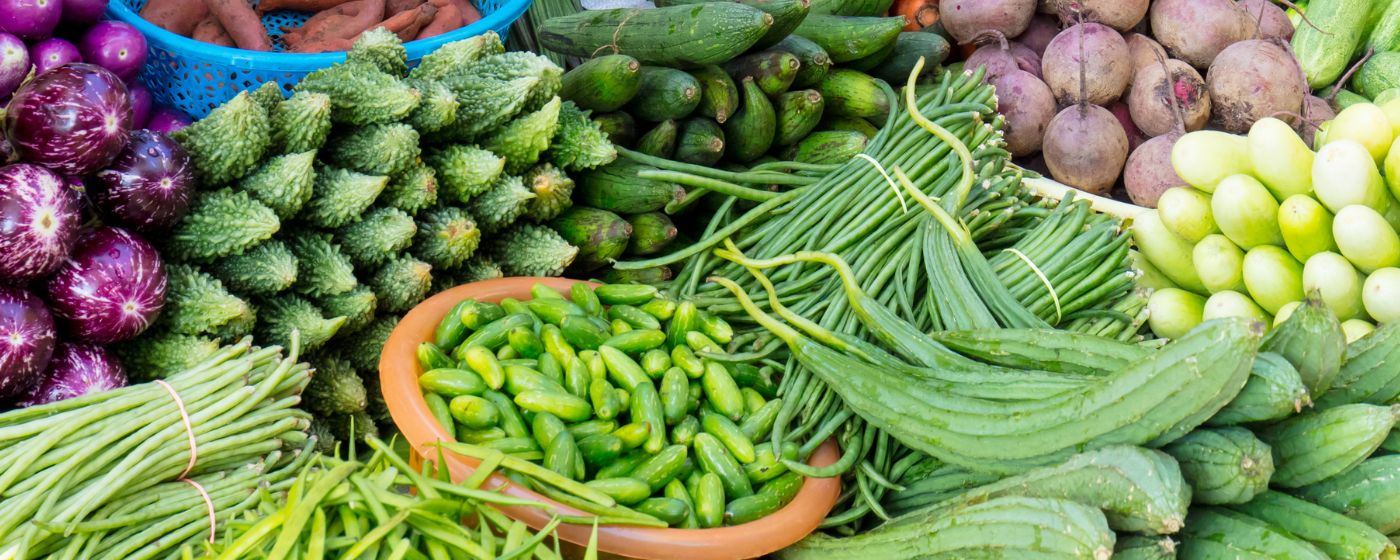
A few years ago, finding fresh bhindi or a good bottle gourd in the UK could mean visiting a specialist shop across town. Now, things are changing. Indian grocery stores, local markets, and online shops are making Indian vegetables much easier to pick up during the weekly shop.
For Indian families, that means fewer compromises in the kitchen. The ingredients used in everyday sabzis, dals, and curries are becoming much less difficult to find, even when home is thousands of miles away. In this guide, we will understand more about this increased availability.
Why Are Indian Vegetables Becoming Easier to Find Across UK Cities?
Indian vegetables are no longer limited to a few specialist shops tucked away in particular neighbourhoods. Several changes have made them easier for families to pick up during an ordinary grocery run.
More Indian Grocery Stores
The growing number of Indian and Asian grocery stores has made vegetables such as bhindi, karela, lauki and baingan much easier to find. Many shops now stock fresh produce alongside spices, dals, snacks and other everyday essentials.
Growing Indian Communities
As Indian communities have expanded across UK cities, demand for familiar ingredients has naturally grown. Shops respond by bringing in the vegetables people regularly cook at home.
Wider Supermarket Choices
Some larger supermarkets and local food stores now carry a broader selection of Asian produce. This means shoppers may not always need to make a separate trip to a specialist store.
Online Grocery Shopping
These grocery stores have also changed the way people shop. Fresh vegetables can be ordered alongside pantry staples, which is particularly useful for busy families who want familiar ingredients without spending an entire afternoon visiting different shops.
Which Indian Vegetables Are Now Easier to Find in the UK?
Indian households across the UK have a wider choice now, including several vegetables that were once much harder to come across.
- Bhindi (Okra) is fairly easy to find in Indian grocery stores and fresh produce sections.
- Karela (Bitter Gourd) is available for everyday sabzis, stuffed recipes and even traditional juices.
- Lauki (Bottle Gourd) works well in dal, kofta, curries, and simple home-style dishes.
- Baingan (Indian Eggplant) is a familiar choice for bharta, curries, and plenty of regional recipes.
- Drumsticks (Moringa) are becoming easier to find, particularly for sambar and South Indian cooking.
- Tindora (Ivy Gourd) is useful for quick stir-fries and the kind of everyday sabzi many families make without much fuss.
- Gawar (Cluster Beans) remains popular for traditional Gujarati and Rajasthani preparations.
- Green chillies are perhaps the easiest of the lot to find and remain a regular ingredient in countless Indian kitchens.
Where Can You Usually Find Indian Vegetables Across UK Cities?
Shopping for Indian vegetables does not always require a special trip anymore. Depending on the city, there are several places worth checking.
Indian and Asian grocery stores are usually a good starting point. Many have fresh vegetables along with spices, dals, flours, snacks, and other pantry essentials.
- Specialist Indian supermarkets.
- Asian grocery shops.
- Local fresh produce markets.
- Independent fruit and vegetable stores.
- Larger supermarkets with international food sections.
- Online Indian grocery stores.
In larger cities, several shops may be found within the same neighbourhood, which gives shoppers a chance to compare the produce before buying. Online grocery stores are handy too, particularly when a busy week leaves little time for another shopping trip.
For vegetables such as tindora, drumsticks, or cluster beans, specialist Indian grocers are still usually the safer bet.
Why Does Better Access Matter for Indian Families Living in the UK?
Having familiar vegetables nearby can make a surprising difference to everyday cooking. There is less planning around substitutes, and family recipes are easier to retain on the menu.
- Home-style meals feel easier to recreate. Families can make the sabzis, dals and curries they know without searching for alternatives.
- Regional food traditions stay in the kitchen. Vegetables such as tindora, drumsticks and gawar have an important place in a lot of Indian cuisines.
- The weekly shop becomes simpler. Finding several ingredients under one roof can save a long trip across the city.
- Children remain familiar with traditional food. Regular family meals can help keep those tastes alive across generations.
- Recipes need fewer compromises. Fresh Indian vegetables can make a noticeable difference when preparing dishes where the ingredient itself is central.
- Festive meals become easier to plan. Family gatherings and religious occasions often involve traditional dishes, and having the right vegetables nearby makes preparation much less of a hassle.
Conclusion
Access to Indian vegetables across UK cities is now far easier than it once was. That makes everyday cooking a little more convenient while helping families hold on to the flavours they grew up with. Bhindi, lauki, tindora, and drumsticks may seem like ordinary vegetables, but for someone living far from India, they can mean something more. They bring familiar recipes back to the dinner table and make home-style cooking feel possible, week after week.